

AD152 – Advance25 Orthopaedics for Advanced Practitioners
£1,297.00 (+VAT)
An advanced orthopaedics course designed to sharpen decision-making, expand surgical options and support confident management of complex and non-routine cases in small animal practice.
25 hours CPD | RACE approved (12 Credits) | Available immediately | All sessions recorded | 12 month access.

This program has been RACE approved for 12 credits of continuing education credit in jurisdictions that recognize RACE approval.
“Really informative course, high standard, loads of useful info and good course notes/ lectures. Really applicable knowledge for difficult cases.”
Advance25™: Orthopaedics for Advanced Practitioners
Fast facts
25 hours CPD · RACE approved (12 credits)· All content available immediately· 12 months access · Access to all forum discussions but tutor moderation has ended.
“Absolutely perfect course! Well presented with all the relevant information. Speaker is a true professional with vast knowledge. Fantastic CPD”
Overview
This course is designed for experienced small animal vets working at Advanced Practitioner level who want to deepen their orthopaedic knowledge and feel more confident tackling complex, high-risk and non-routine cases.
Focusing on real-world clinical challenges, the course goes beyond standard techniques to explore advanced decision-making, case selection, complication management and evidence-based surgical planning. Through detailed case discussions, you will develop a clearer framework for approaching articular fractures, salvage and reconstructive procedures, minimally invasive techniques, angular limb deformities and high-energy trauma.
Rather than presenting procedures in isolation, the course emphasises how to think through difficult orthopaedic cases, weigh options realistically and adapt plans when routine approaches are not enough. You will also strengthen your ability to interpret the literature, recognise limitations in the evidence base and apply sound clinical judgement when definitive answers are lacking.
By the end of the course, you will be better equipped to plan and manage advanced orthopaedic cases, communicate options and risks more confidently with clients, and decide when to treat, modify your approach or refer, with clarity and confidence..
How it works
This is a recorded course and the live sessions have now taken place. You will have access to all forum discussion topics but active tutor moderation is no longer available. You have 12 months’ access to all course materials and on completion receive your certificate for 25 hours CPD in the UK or RACE approved (12 credits).
Syllabus at a glance
1. Complex Articular Fractures
2. Salvage/Reconstructive Surgery
3. Minimally Invasive Surgery
4. Angular Limb Deformities
5. When the Routine Joint Surgery is not Routine
6. High Energy Trauma
Scroll down for more details on course content
Tutors
Scott Rutherford BVMS CertSAS DipECVS FRCVS
RCVS Recognised and EBVS European Specialist in Small Animal Surgery
Karen Perry BVM&S CertSAS DipECVS MSc Vet Ed FHEA MRCVS
RCVS Recognised and EBVS European Specialist in Small Animal Surgery
Testimonials:
“Great that you can study in your own time but still have access to the tutors for asking questions via the discussion forum. Informative, good range of content, ability to ask questions but study in your own time.”
“Really informative course, high standard, loads of useful info and good course notes/ lectures. Really applicable knowledge for difficult cases.”
“Absolutely perfect course! Well presented with all the relevant information. Speaker is a true professional with vast knowledge. Fantastic CPD.”
“Thoroughly enjoyed it and learned an awful lot. The practical stuff I could use in surgery and the understanding of surgeries I’d refer so that I could start to educate clients about options.”
“Will help with surgical planning and increase the number of options I can offer clients.”
“Advanced techniques interesting. Lots of useful hints and tips throughout. It will enable me to approach some advanced cases more confidently and has allowed me to revise some information.”
“Most useful- Being able to do it on my own timescale!”
“Absolutely excellent course. Thoroughly enjoyed all the lectures and have learned so much. Due to time constraints for all sorts of reasons it has taken a bit longer to complete the course but now looking forward to having access to lectures, resources and reading list for some time ahead.”
Practicalities & pricing
• Price: £1,297 + VAT (UK).
• Overseas: No VAT for online courses.
• Payment options: Use the ‘Add to basket’ button and pay online. Request invoice using the ‘Request and invoice’ button at the bottom of this page · Call us to book 0151 328 0444.
• Webinar Club Members receive benefits/discounts where applicable.
More Details
Advance25TM Courses help you to develop your knowledge and clinical skills in a defined area of small animal practice. These fully flexible online courses include immediate access to recordings and materials for a 12 month period. Complete your learning and get your CPD Certificate for 25 Hours of CPD or a RACE Certificate for 12 Credits.
Fully flexible – all course materials are recorded and you get full access for 12 months.
Session 1: Complex Articular Fractures
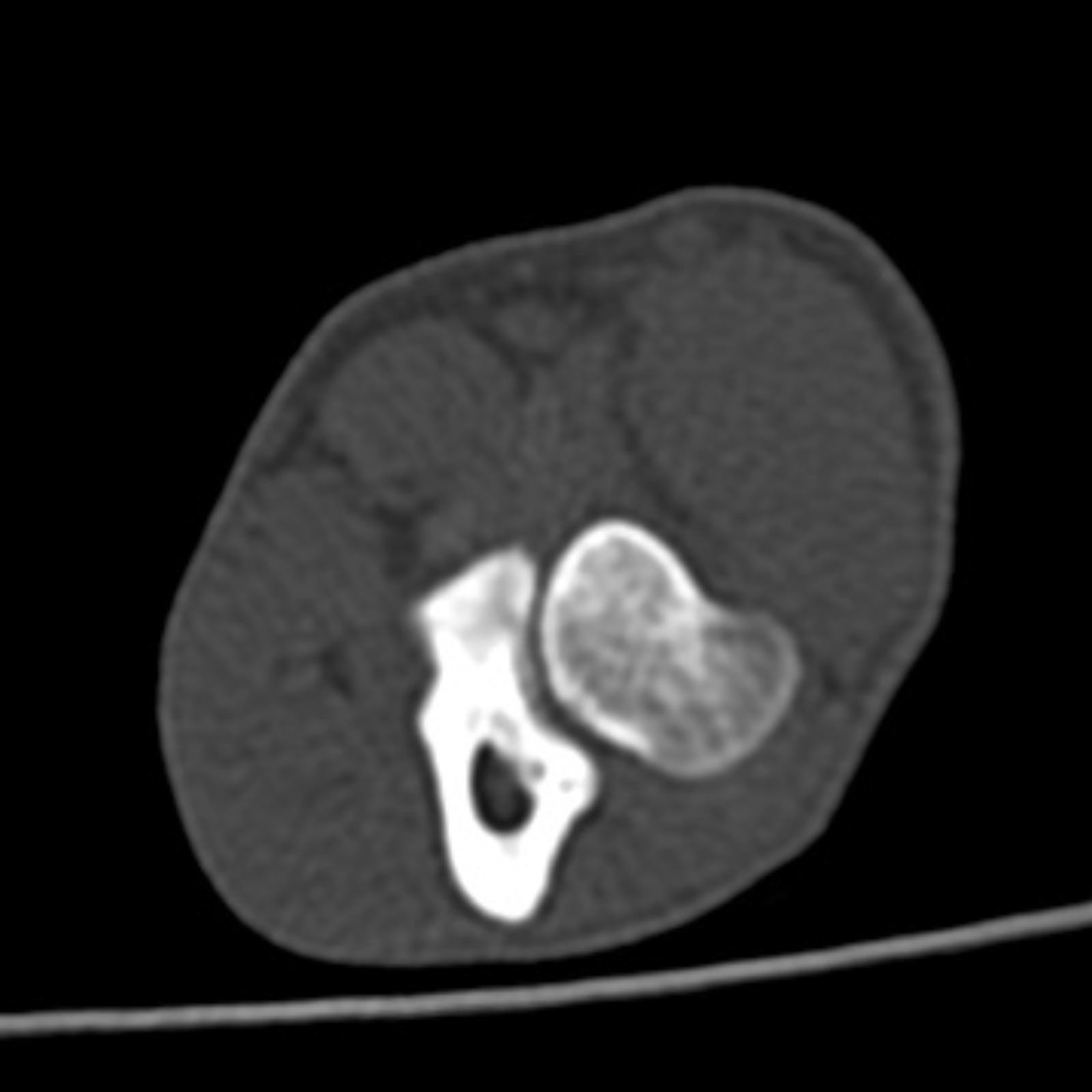
With articular fractures what you see on the radiograph is the tip of the iceberg. There are many other things to consider besides the obvious damage to the epiphyseal and metaphyseal bone. These include damage to the articular cartilage, the surrounding soft tissues, adjacent physes and the vascular supply. Despite adherence to the principles of treatment of articular fractures, high morbidity is sometimes experienced and these additional injuries may explain this. While rigid fixation and anatomic reduction of articular fractures are critical operative goals to optimise joint function and reduce progression of osteoarthritis, they do not address the musculoskeletal tissues surrounding the fracture that are critical for physiologic movement and range of motion. In this session we will consider commonly encountered articular fractures, and how treatment may be optimised in order to achieve the best possible patient outcomes.
Session 1 – Humeral Condylar Fractures
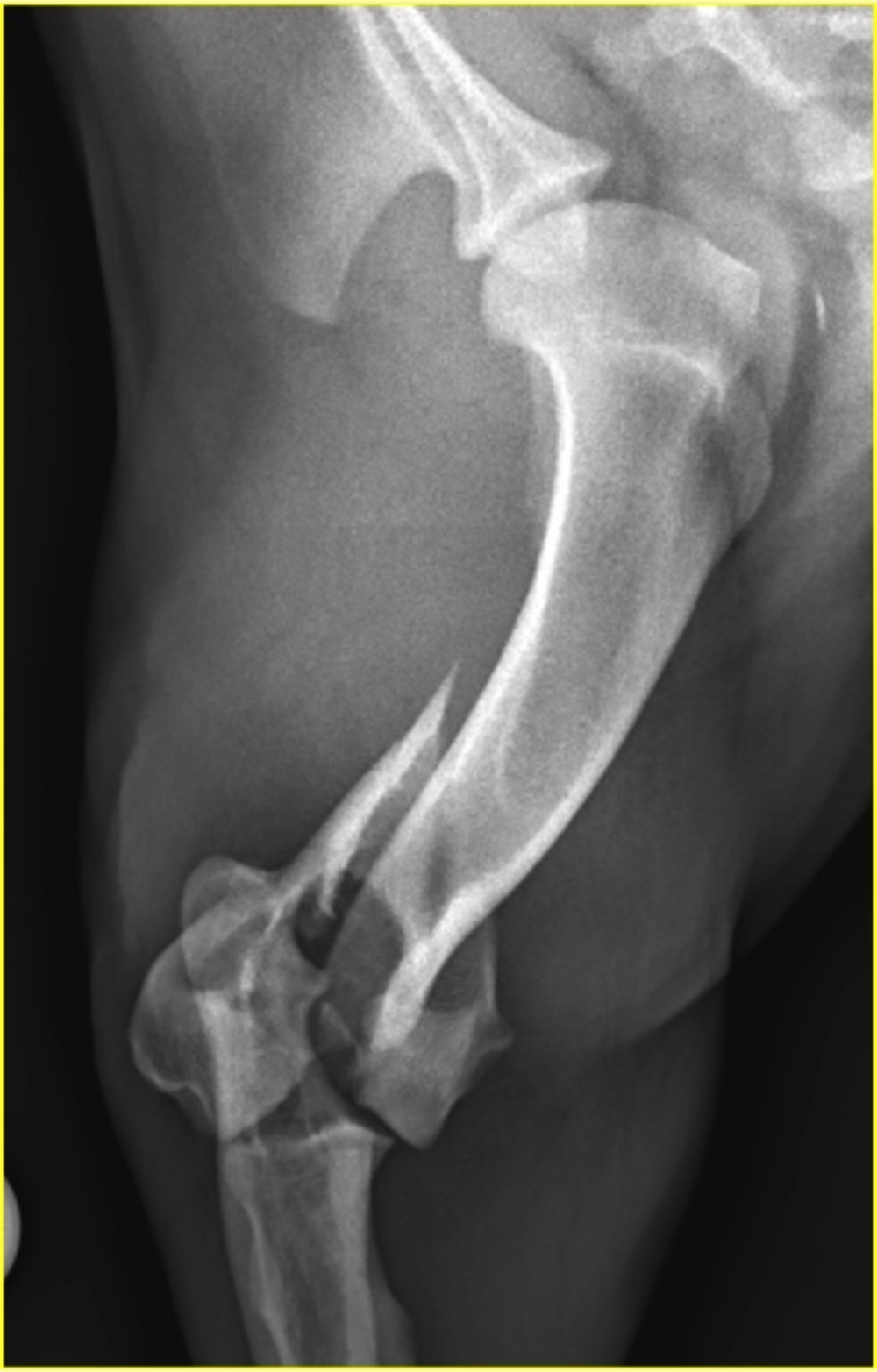
Role of Humeral Intracondylar Fissure, options for unicondylar fractures, how to approach bicondylar fractures
Session 2 – Other Articular Fractures
Femoral condylar fractures, patellar fractures including patellar fracture and dental anomaly syndrome, tarsal fractures
Session 2: Salvage/Reconstructive Surgery
Salvage surgeries represent various layers of complexity. Firstly, the decision-making in terms of when a salvage surgery is warranted can be challenging; should these be reserved for end-stage conditions, or could earlier surgeries have the potential to improve postoperative outcomes? Secondly, surgical technique is exacting, necessitating careful preoperative planning, meticulous technique and optimal aftercare in order to optimise results. Thirdly, many of these surgeries have limited revision options, which puts even greater emphasis on the importance of points one and two above. During this session we will discuss the decision-making that pre-empts any salvage surgery, how to identify higher risk cases, and how to optimise execution in order to limit complication rates.
Session 1 – Arthrodesis
Shoulder, carpus, stifle, tarsus
Session 2 – Total Joint Replacement
Total hip replacement, Total knee replacement, Total elbow replacement, Total ankle replacement
Session 3: Minimally Invasive Surgery
During the past two decades, the ongoing review of clinical outcomes following fracture stabilisation has led to a radical paradigm shift toward emphasising the biologic component of fracture healing. This has become the foundation of a new philosophic approach known as minimally invasive osteosynthesis (MIO). With MIO, the fracture site is not exposed, which in turn preserves the fracture hematoma and promotes earlier fracture healing. During this session we will explore the clinical benefits which may be associated with this approach, starting with diaphyseal fractures and then progressing to discuss the use of MIO for treatment of physeal and articular fractures. Although potentially clinically rewarding, MIO is also technically challenging. We will discuss ways in which a surgeon may optimise results through fastidious preoperative planning, careful patient positioning, indirect reduction techniques and appropriate choice of stabilisation method.
Arthroscopy is often considered advantageous due to its minimally invasive nature and certainly, the advantages of magnification and illumination are compelling. However, whilst its use is widespread these days, the evidence base supporting improved clinical outcomes is somewhat lacking. During this session we will discuss the controversies and supporting evidence-base, where available, as well as the use of more novel technologies and applications and the role that these may play in clinical practice.
Session 1 – Minimally Invasive Osteosynthesis
Minimally invasive plate osteosynthesis, Minimally invasive elastic plate osteosynthesis, Minimally invasive nail osteosynthesis, percutaneous pinning
Session 2 – Arthroscopy
Elbow arthroscopy controversies, shoulder arthroscopy, stifle arthroscopy, nanoscope utility, fracturoscopy
Session 4: Angular Limb Deformities
Angular limb deformities are some of the most complex cases that we as orthopaedic surgeons deal with. From determining whether an abnormality is a problem, defining the deformity, assessing the contribution of soft tissues to deciding on how to surgically approach the patient, every stage of the decision-making process presents unique challenges.
The literature presents a paucity of evidence as no comparative studies have been conducted so it is difficult to assess whether surgery is required in. the first place, which osteotomy(ies) should be performed and what adjunct procedures should be considered.
During this session we adopt a case-based approach in conjunction with the available literature to help you navigate the decision making process.
Session 1 – Antebrachial Deformities
Assessment challenges, Acute v gradual correction, ESF v ORIF, 3-D guides, soft tissue challenges
Session 2 – Patellar Luxation – when a tibial tuberosity transposition just isn’t enough
Assessment challenges, when to perform a distal femoral osteotomy (DFO), how to perform a DFO, other tibial osteotomies, the role of early intervention
Session 5: When the Routine Joint Surgery is not Routine
It could be argued that no surgery is truly “routine” – however, there are certain surgeries that we perform frequently and become so familiar with that it may seem this way. However, every patient is different, and “routine” surgical technique cannot always be universally applied. Unfortunately, surgical training programs rarely have the capacity to prepare trainees for all such circumstances. This, coupled with the simple fact that these cases occur less frequently, leading to a very limited evidence base, can make the departure from routine very uncomfortable.
It is not only surgeries that get categorised as routine, but also conditions. Simply because we encounter a condition commonly does not mean that we have a definitive answer for how to treat it. It is often said that where multiple treatments are available for a given condition, it is because none of them have been proven superior to another, or, to put it more simply, maybe none of them have proven efficacy.
In this session, we will cover both of these complex situations – when the routine surgery departs from routine, and when the common condition has no universally accepted solution.In both situations, a sound theoretical knowledge, coupled with an ability to review literature is critical – particularly the ability to distinguish eminence from evidence.
In this session we will cover several situations where an apparently everyday consultation can turn into a significantly more complex scenario.
Session 1 – Cruciate controversies
Which high tibial osteotomy, excessive tibial plateau angle, cranial cruciate rupture + medial patellar luxation, the role of the meniscus, feline cranial cruciate disease
Session 2 – Low level evidence what should we do?
Osteotomies for medial coronoid disease, surgeries for osteochondrosis and Achilles tendinopathy
Session 6: High Energy Trauma
When faced with a single fracture, most surgeons have developed a decision-making process which is simple and works well for them. However, in high-energy trauma, the impact of soft tissue injuries, comorbidities and/or polytrauma renders many of the so-called “rules” of preoperative planning somewhat redundant. A comprehensive assessment of the entire patient, which is necessary in all trauma cases, becomes particularly important in high energy trauma where concomitant pathology can significantly alter plan, cost and prognosis. There is a growing acceptance that polytrauma cases are more likely to experience complications associated with each individual stabilization, however, exactly how we should compensate for that remains uncertain. Simply placing “more” or “larger” implants in all cases won’t always be successful and often, previously established “rules” may need to be questioned.
In this session we will consider how decision making may alter in high energy trauma cases. This will include anticipation of potential complications, how to minimise these and where necessary how to address them.
Session 1 – Spinal fractures
Patient assessment and decision making, reduction techniques, stabilisation options- Plates, Pin/screw PMMA, Pedicle screws, SI luxation/fractures
Session 2 – Polytrauma
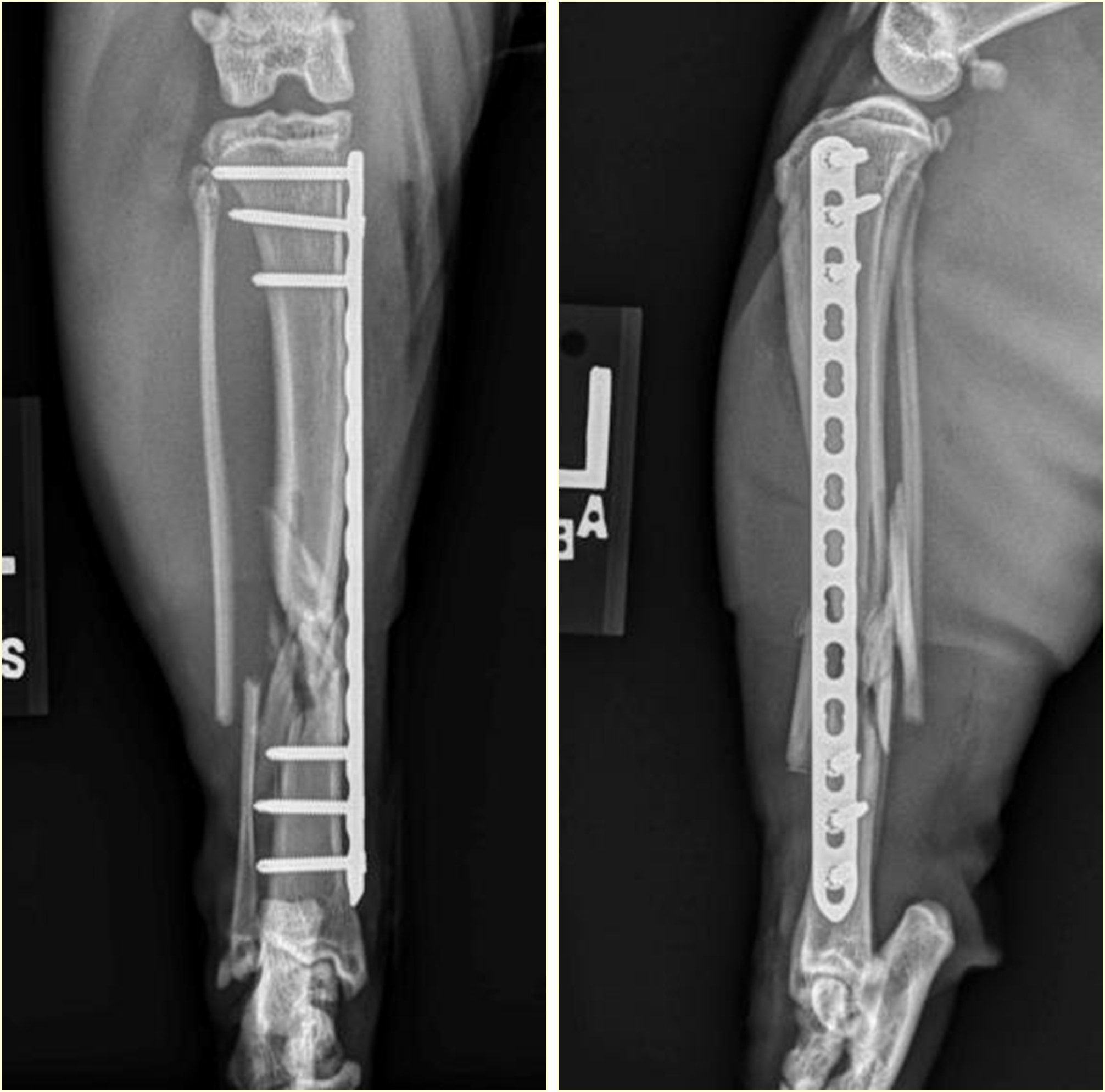
Prioritising injuries, Adjusting stabilisation techniques – Orthogonal plating, interlocking nails, disadvantages of ESF, concurrent luxation. Comminuted diaphyseal fractures, pelvic fractures, metabone fractures