
MS307: Neurology Made Easy
£547.00 (+VAT)
Neurology Made Easy is a practical, case-focused mini-series designed to take the fear out of everyday neurology in general practice. You’ll learn how to perform a quick, structured neurological exam, localise lesions with confidence, and make sense of common presentations such as head tilts, seizures and inflammatory CNS disease. By focusing on clear clinical reasoning and realistic decision-making, this course helps you move from “where do I start?” to a calm, logical approach you can apply immediately with your next neurology case.
12 months access to recordings and course materials is included. Full details on how to access the Mini Series will be emailed to you.
Neurology Made Easy
Join Professor Simon Platt BVM&S, FRCVS Dipl. ACVIM (Neurology), Dipl. ECVN as he covers a practical approach to the most common neurological small animal cases seen in general practice. Starting with how to rapidly and logically evaluate the patients to understand whether they have a neurological problem and where the disease could be affecting,
• Three online sessions (2 hours each)
• 8 hours of CPD with certification
• Downloadable comprehensive course notes
• Self-assessment quizzes to release your CPD certificate
(quizzes can be retaken as needed)
• 12 months’ access to full session recordings
• Watch on any device, at a time that suits you
Programme
Session 1 – The 5-minute Neurological Exam
The first session will explore how we use clinical reasoning to establish a list of possible causes in an individual animal.
Topics include:
How to practically and efficiently perform a neurological exam
What each component of the exam actually helps with
How to use the lesion localisation and the patient’s presenting information to establish a differential diagnosis list
Session 2 – Head Tilts and Brains on Fire
The second session will look at dogs and cats with vestibular dysfunction as an example of how the examination can lead us directly to the most common causes with a treat for the treatable approach. One of the most common causes of central nervous system disease, including central vestibular disease, is inflammation – how this presents, how we can investigate and appropriately treat these patients will also be dealt with in this session.
Topics include:
How to recognise vestibular dysfunction and determine whether it is related to an inner ear or central nervous system disease
An overview of the most common peripheral and central vestibular diseases in dogs and cats
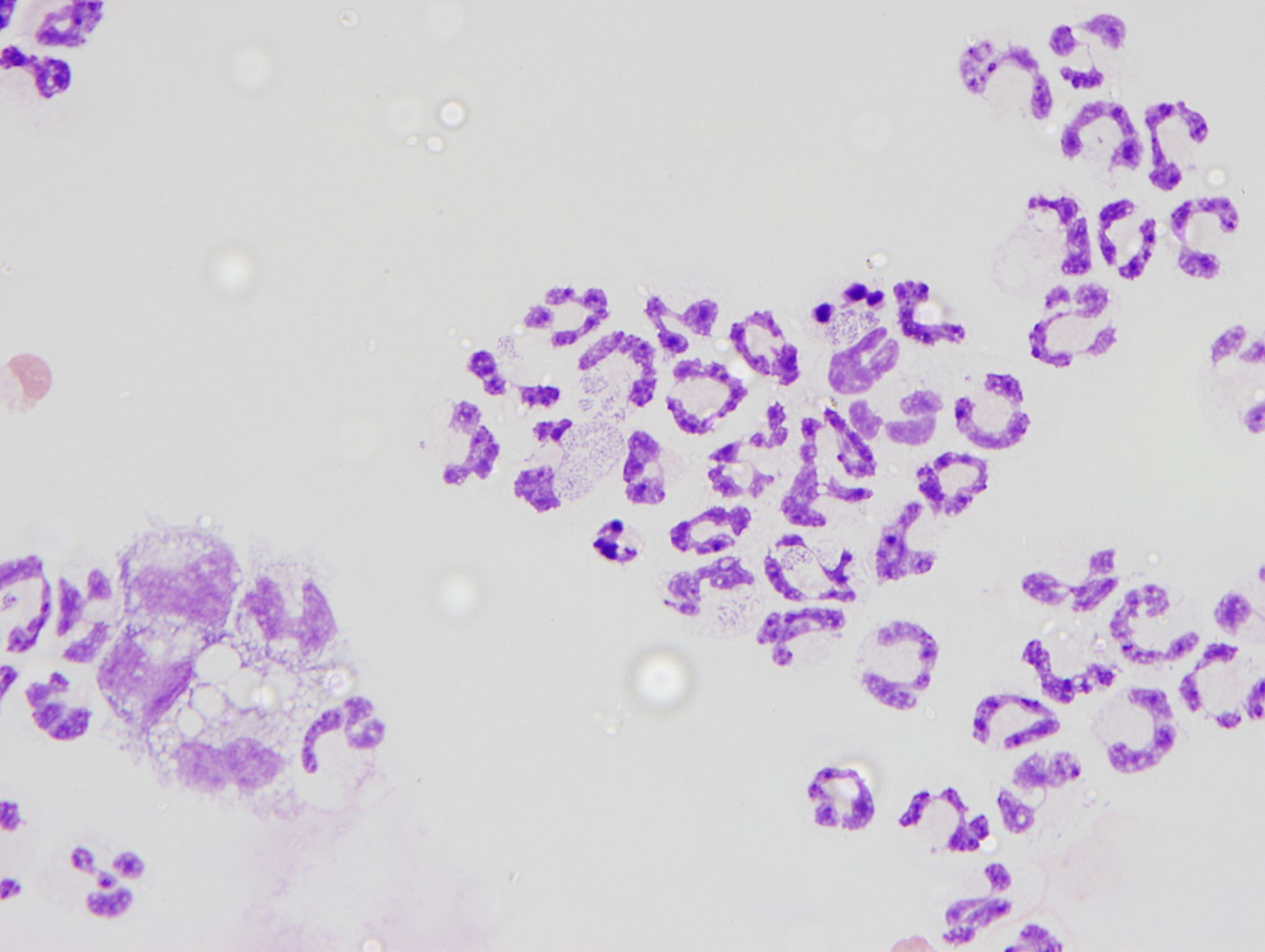
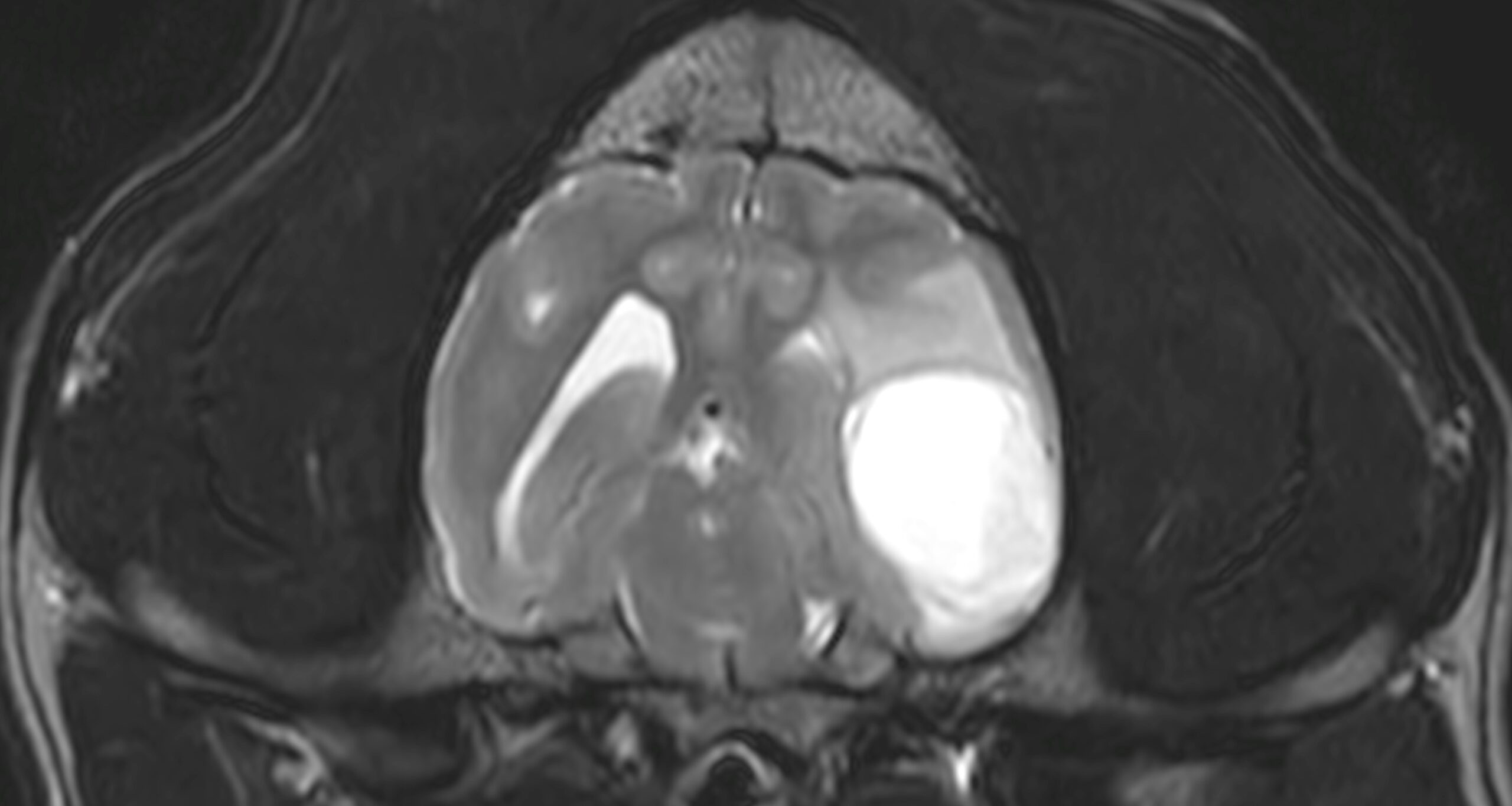
An overview of inflammatory CNS disease in dogs and cats
How to investigate inflammatory CNS disease
How to practically treat sterile inflammatory disease of the CNS (MUO)
Session 3 – Seizures – From start to finish
In the final session, an overview of the investigation of seizure patients with a practical step-by-step approach to treating them will be discussed.
Topics include:
How to recognize seizure activity and differentiate it from syncope, paroxysmal dyskinesia, and compulsive behaviour abnormalities.
What is idiopathic epilepsy
How to work up a seizure case
How to initially treat seizure patients for the long term
How to deal with emergency seizure patients
Who this Mini Series is for
This Mini Series is suitable for vets working in general small animal practice who would like help with their small animal neurology patients.
CPD details
The price includes all three sessions, downloadable notes, quizzes and 8 hours of CPD, with 12 months’ access to the recordings as an ongoing reference.
No travel, accommodation, rota juggling or locum cover — just practical, accessible CPD that fits around practice life.
Previous Course Feedback :
“Practical and relevant course material for clinical practice.”
“I enjoyed it and it has given me a systemic and logical approach to the patient with neurological disorders.”
“The content of the Mini Series will help me very much increased my understanding of the neuro exam”
“Very thorough and comprehensive courses. The course notes are a great addition too.”
“This course will give me a calmer approach to neuro emergencies.”
“Putting everything into practice to make sure we are getting the best results./ The Study notes where fantastic.”